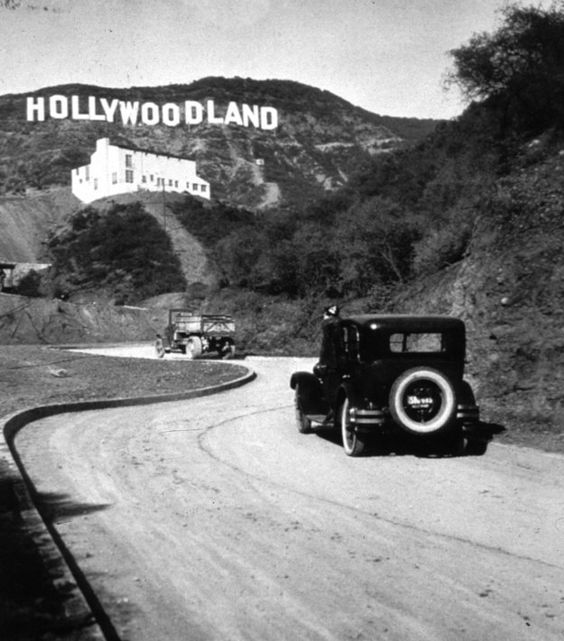
Start with an image, something visual that will set the tone for your entire script. If your story is a comedy, make the image funny, quirky, or strange. If it's a drama, make it striking or memorable.
Try to introduce the main characters and establish the direction of the story by page 10.
Impose a three-act structure, so your story has a clear beginning, middle, and end. The first act should be very different from the second, and they should both be uniquely different from the third.
Keep an eye on the timing. The turning points for a 120-page screenplay should ideally fall within these accepted ranges:
| First Act | Pg 25-35 |
| Second Act | Pg 75-85 |
| Climax | Pg 110-115 |
| Resolution | 5 pages from the end |
The above insures that the script feels the right length, so no act is too bloated or too lean. Remember, each turning point should be a pivotal moment--a decision time--that changes everything.
If possible, include three to five subplots that will eventually intersect and change the main plot. Have just enough to keep it interesting, but not enough to bog it down.
And each storyline should have an arc, with discernable progress made.
Ideally, focus on only one main protagonist, not two or three, and ensure they're the character driving the story forward. They're the one who outshines all others, the one the audience will root for most.
Remember, the protagonist, and the most important secondary characters, should each have character arcs, so you can see them change through their journey.
Unless the story is a sweeping epic, try to keep the script under 120 pages, and the closer to 110 the better. Readers always check the length before starting a read.
Try using bullet sentences, especially in action scripts. "He stops. Turns." is far more dramatic than "He stops then turns."
Keep the script as lean and mean as you can make it. Cut every extraneous word that will slow a reader down.
Use very few directional parentheses in your dialogue, and make sure that each one contains only a word or two. If more than that, move them down to become their own autonomous line of description.
Avoid using information that will not be visible on screen, especially what a character is thinking or feeling. The audience is not omnipotent.
Remember to use silences. They work wonderfully!
Don't use scene numbers, or "CONTINUED" at the top or bottom of the page. That's been passé for decades.
Don't put the completion date on the front of your script. It's not necessary in the US, and could soon make your work look old and "dated."
Use only 8.5" x 11" 3-Hole Punch paper when printing the script, and use only two #5 brass brads in the top and bottom holes. Anything else is non-standard and will look unprofessional.
Copyright the work with the Library of Congress Copyright Office using Form PA. Do not simply send it to yourself by mail, or register it with a Writer's Guild. Self-mailing and Writer's Guild registration only prove that you had the script in your possession at the time of sending, not that you actually wrote it.